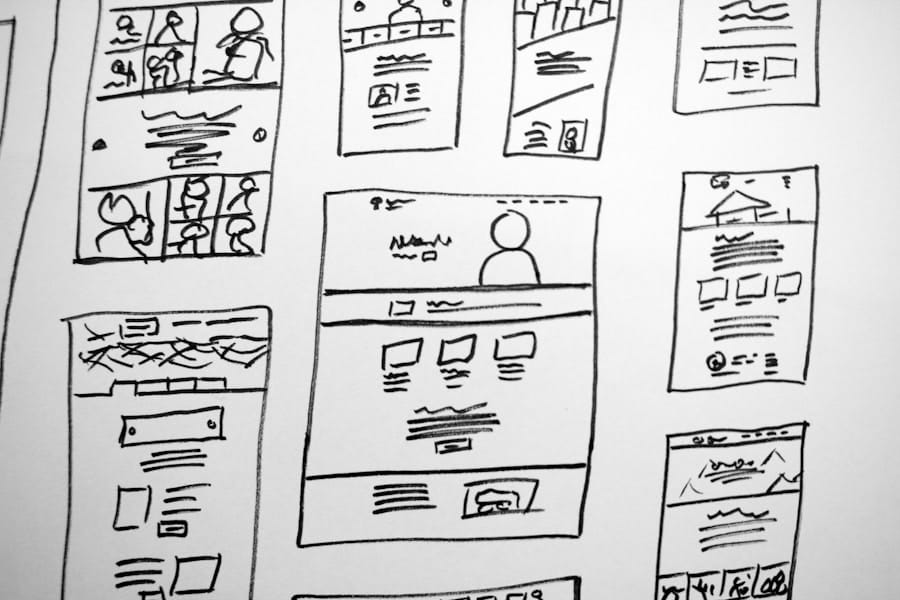
In recent years, the digital landscape has witnessed a remarkable transformation, with DIY website builders emerging as a popular choice for small businesses and entrepreneurs. These platforms, such as Wix, Squarespace, and Weebly, have democratized web design, allowing individuals with little to no technical expertise to create their own websites. The allure of these tools lies in their user-friendly interfaces, drag-and-drop functionalities, and affordable pricing structures.
As a result, many small business owners have turned to these solutions, believing they can save time and money while establishing an online presence. However, while DIY website builders may seem like a convenient option at first glance, it is essential to delve deeper into their limitations. As we explore the various challenges associated with these platforms, we will uncover why relying solely on DIY website builders may not be the best long-term strategy for your business.
Understanding these limitations can empower small business owners to make informed decisions about their online presence and consider alternatives that may better serve their needs.
Key Takeaways
- DIY website builders have become increasingly popular for individuals and small businesses looking to create their own websites without the need for coding or design skills.
- However, DIY website builders have limitations in terms of customization and flexibility, which can hinder the ability to create a unique and tailored website.
- DIY website builders also have limited SEO capabilities, making it challenging to optimize the website for search engines and improve online visibility.
- Inadequate security measures in DIY website builders can leave websites vulnerable to cyber threats and attacks, posing a risk to sensitive data and user privacy.
- Scaling and growth can be difficult with DIY website builders, as they may not offer the necessary features and capabilities to support a growing business.
Limitations of DIY Website Builders
Despite the initial appeal of DIY website builders, they come with a host of limitations that can hinder a business’s growth and online effectiveness. One of the most significant drawbacks is the lack of customization options. While these platforms offer templates and themes, they often restrict users to predefined layouts and designs.
This can lead to a cookie-cutter appearance that fails to reflect the unique identity of a brand. In a competitive market, standing out is crucial, and a generic website may not capture the attention of potential customers. Moreover, the ease of use that DIY website builders promise can sometimes be misleading.
While they may allow users to create a basic website quickly, the process of fine-tuning and optimizing that site can become cumbersome. As businesses grow and evolve, their website needs may change, requiring more advanced features or functionalities that these platforms simply cannot accommodate. This limitation can stifle creativity and innovation, ultimately hindering a business’s ability to adapt to market demands.
Lack of Customization and Flexibility

One of the most glaring issues with DIY website builders is their inherent lack of customization and flexibility. While they provide a range of templates to choose from, these templates often come with rigid structures that limit how businesses can present their content. For instance, if a small business wants to incorporate specific branding elements or unique design features, they may find themselves constrained by the platform’s limitations.
This lack of flexibility can lead to frustration and dissatisfaction as business owners struggle to create a website that truly represents their brand. Furthermore, as businesses grow and evolve, their website needs will inevitably change. A DIY website builder may not offer the scalability required to accommodate new features or functionalities.
For example, if a business decides to expand its product offerings or introduce an e-commerce component, it may find that its current platform cannot support these changes without significant workarounds or additional costs. This lack of adaptability can hinder growth and limit a business’s ability to respond to market trends effectively.
Limited SEO Capabilities
Search engine optimization (SEO) is a critical component of any successful online strategy. Unfortunately, many DIY website builders fall short in this area. While they may provide basic SEO tools, such as meta tags and alt text options, they often lack the advanced features necessary for effective optimization.
For instance, businesses may find it challenging to implement structured data markup or optimize site speed—two essential factors that search engines consider when ranking websites. Additionally, the templates offered by DIY website builders may not be designed with SEO best practices in mind. This can result in poor site architecture or slow loading times, both of which can negatively impact search engine rankings.
As a result, businesses relying on these platforms may struggle to achieve visibility in search engine results pages (SERPs), limiting their ability to attract organic traffic and potential customers.
Inadequate Security Measures
In an age where cyber threats are increasingly prevalent, security should be a top priority for any business operating online. Unfortunately, many DIY website builders do not provide adequate security measures to protect sensitive customer data or safeguard against potential breaches. While some platforms may offer basic security features like SSL certificates, they often lack more advanced protections such as regular security updates or robust firewalls.
This inadequacy can leave businesses vulnerable to cyberattacks, which can have devastating consequences. A data breach not only jeopardizes customer trust but can also lead to significant financial losses and legal repercussions. For small businesses that rely heavily on their online presence, investing in a platform with strong security measures is essential for protecting both their brand reputation and their customers’ information.
Difficulty in Scaling and Growth

As businesses grow, so do their needs—especially when it comes to their online presence. Unfortunately, many DIY website builders are not designed with scalability in mind. When a small business begins to experience growth, it may quickly outgrow the capabilities of its chosen platform.
This can lead to frustration as business owners find themselves limited by the features available on their DIY site. For instance, if a business wants to expand its e-commerce capabilities or integrate advanced marketing tools, it may discover that its current platform cannot support these changes without significant upgrades or migrations. This difficulty in scaling can hinder growth opportunities and force businesses to invest time and resources into transitioning to a more robust solution down the line.
Challenges in Integrating Advanced Features
In today’s digital landscape, businesses often require advanced features to remain competitive—such as customer relationship management (CRM) systems, email marketing tools, or analytics platforms. Unfortunately, many DIY website builders present challenges when it comes to integrating these essential tools. While some platforms may offer basic integrations, they often lack the flexibility needed for seamless connections with third-party applications.
This limitation can hinder a business’s ability to leverage data effectively or automate marketing efforts. For example, if a small business wants to implement an email marketing campaign but finds that its DIY platform does not integrate well with its chosen email service provider, it may face significant roadblocks in executing its strategy. As a result, businesses may miss out on valuable opportunities for engagement and growth.
Impact on User Experience and Brand Perception
User experience (UX) plays a crucial role in how customers perceive a brand online. Unfortunately, many DIY website builders do not prioritize UX design principles, leading to websites that may be visually unappealing or difficult to navigate. A poorly designed website can frustrate users and drive them away—ultimately impacting conversion rates and customer loyalty.
Moreover, a generic-looking website can negatively affect brand perception. In an era where consumers expect high-quality design and functionality from every online interaction, a cookie-cutter site may fail to instill confidence in potential customers. Businesses must recognize that their website serves as a digital storefront; if it does not reflect professionalism and attention to detail, it could deter customers from engaging with the brand.
Potential for Technical Limitations
While DIY website builders are marketed as user-friendly solutions for non-technical users, they often come with hidden technical limitations that can pose challenges down the line. For instance, users may encounter issues related to site speed or performance due to the underlying code generated by these platforms. Slow-loading websites can lead to high bounce rates and lost opportunities for conversions.
Additionally, as businesses attempt to implement more complex functionalities—such as custom coding or advanced integrations—they may find themselves facing roadblocks due to the platform’s restrictions. This potential for technical limitations can create frustration for business owners who are eager to innovate but find themselves constrained by their chosen solution.
Considerations for Long-Term Success
When evaluating whether a DIY website builder is the right choice for your business, it’s essential to consider long-term success factors. While these platforms may offer an easy entry point into the digital world, they often fall short in terms of scalability, customization, and advanced features necessary for sustained growth. As your business evolves, so too will your online needs; investing in a more robust solution from the outset can save you time and resources in the long run.
Moreover, partnering with experienced digital marketing professionals can provide valuable insights into best practices for web design and optimization. By leveraging expert knowledge and resources, you can create a website that not only meets your current needs but also positions your brand for future success.
Exploring Alternatives to DIY Website Builders
In conclusion, while DIY website builders offer an accessible way for small businesses to establish an online presence quickly, they come with significant limitations that can hinder growth and success over time. From lack of customization and flexibility to inadequate security measures and challenges in scaling, these platforms may not be the best long-term solution for your business. As you consider your options for building an effective online presence, we encourage you to explore alternatives that align with your unique needs and goals.
Whether it’s investing in custom web development or partnering with a digital marketing agency like ours for tailored solutions, taking proactive steps now can set your business up for success in the future. If you’re ready to take your online presence to the next level or have questions about how we can help you achieve your digital marketing goals, please don’t hesitate to reach out using the form below. We’re here to support you on your journey toward success!