Before diving into a redesign or refresh of your website, it’s crucial to take a step back and assess its current state. This evaluation will help you identify what’s working, what’s not, and what needs improvement. Start by analyzing your website’s performance metrics.
Tools like Google Analytics can provide insights into user behavior, traffic sources, and conversion rates. Are visitors spending time on your site, or are they bouncing away quickly? Understanding these patterns can highlight areas that may require attention.
Next, consider the visual and functional aspects of your website. Is the design outdated or unappealing? Does it reflect your brand’s identity?
A website that looks old-fashioned can deter potential customers, while a modern, user-friendly design can enhance credibility. Additionally, check for any technical issues such as broken links, slow loading times, or mobile responsiveness. These factors not only affect user experience but can also impact your search engine rankings.
If you find yourself overwhelmed by this assessment, remember that professionals like Make my Web can help you conduct a thorough evaluation and provide tailored recommendations.
Key Takeaways
- Assessing the current state of your website is crucial for understanding its strengths and weaknesses.
- Understanding the difference between redesign and refresh is important for determining the scope of changes needed.
- Factors to consider when deciding to redesign include outdated design, poor user experience, and declining SEO performance.
- Factors to consider when deciding to refresh include minor design updates, content improvements, and functionality enhancements.
- Cost and time considerations are important for budgeting and planning the implementation of the redesign or refresh.
- The impact on user experience and SEO should be carefully evaluated to ensure positive outcomes from the redesign or refresh.
- Choosing the right approach for your business involves aligning the changes with your overall goals and target audience.
- Implementing the redesign or refresh requires careful planning, testing, and monitoring to ensure a successful transition.
Understanding the Difference Between Redesign and Refresh
When contemplating changes to your website, it’s essential to understand the difference between a redesign and a refresh. A redesign typically involves a complete overhaul of your website’s structure, layout, and visual elements. This process often includes creating new content, updating navigation, and implementing new technologies to enhance functionality.
A redesign is usually warranted when your website is significantly outdated or no longer aligns with your business goals. On the other hand, a refresh is more about updating existing elements without completely changing the foundation of your site. This could involve updating graphics, tweaking content, or making minor adjustments to improve usability.
A refresh is ideal for businesses that want to modernize their site without the extensive time and cost associated with a full redesign. Understanding these distinctions will help you make an informed decision about which approach is best suited for your needs.
Factors to Consider When Deciding to Redesign
Several factors can influence your decision to undertake a full redesign of your website. First and foremost, consider your business goals. If you’re launching new products or services, expanding into new markets, or rebranding, a redesign may be necessary to align your online presence with these changes.
Additionally, if your current website is not generating leads or conversions as expected, it might be time to rethink its design and functionality. Another critical factor is user feedback. If you’ve received consistent complaints about navigation difficulties or an unappealing design from customers, these insights should not be ignored.
Engaging with your audience through surveys or feedback forms can provide valuable information on what they want from your website. Lastly, keep an eye on industry trends; if competitors are adopting new technologies or design trends that enhance user experience, it may be time for you to follow suit.
Factors to Consider When Deciding to Refresh
Deciding whether to refresh your website often comes down to evaluating its current performance and relevance. If your site is still functional and visually appealing but feels slightly outdated, a refresh might be all you need. Look for signs such as outdated images or content that no longer reflects your brand’s voice.
A simple update can breathe new life into your site without the need for a complete redesign. Another factor to consider is budget constraints. A refresh typically requires less investment than a full redesign, making it an attractive option for small business owners who may be working with limited resources.
If you’re satisfied with the overall structure of your site but want to improve specific elements, a refresh can be a cost-effective solution. However, if you find that the underlying issues are more significant than cosmetic changes can address, it may be worth considering a redesign instead.
Cost and Time Considerations
When planning either a redesign or refresh, cost and time are two critical factors that cannot be overlooked. A full redesign often requires a more substantial financial investment due to the extensive work involved in creating new layouts, content, and functionalities. Depending on the complexity of the project and the expertise of the professionals you hire, costs can vary significantly.
It’s essential to set a realistic budget and consider how much you’re willing to invest in enhancing your online presence. In terms of time, a redesign typically takes longer than a refresh due to the comprehensive nature of the work involved. While a refresh might only take a few weeks to implement, a redesign could span several months from initial planning to final launch.
It’s important to factor in these timelines when deciding which approach to take, especially if you have upcoming marketing campaigns or product launches that rely on your website being up-to-date.
Impact on User Experience and SEO
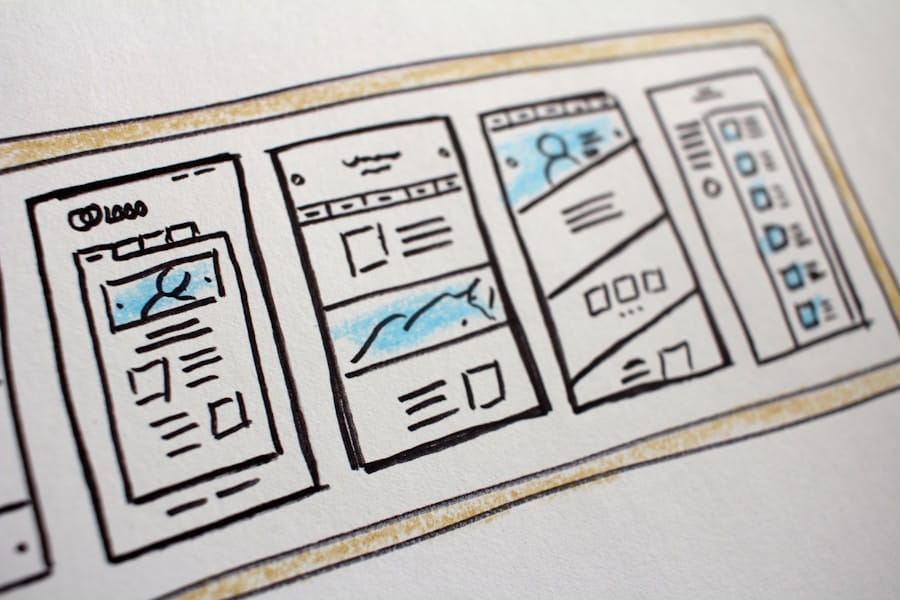
User experience (UX) and search engine optimization (SEO) are two critical components that should guide your decision-making process when considering a redesign or refresh. A well-designed website enhances user experience by making navigation intuitive and content easily accessible. If users struggle to find what they’re looking for or encounter technical issues, they are likely to leave your site in frustration.
A redesign can significantly improve UX by incorporating modern design principles and user-friendly features. SEO is equally important; search engines prioritize websites that offer valuable content and seamless navigation. If your current site is not optimized for search engines, it may be time for a redesign that focuses on improving SEO elements such as page speed, mobile responsiveness, and keyword integration.
On the other hand, if your site is already performing well in search rankings but simply looks outdated, a refresh may suffice to maintain its visibility while enhancing user experience.
Choosing the Right Approach for Your Business
Choosing between a redesign and a refresh ultimately depends on your specific business needs and goals. Take the time to evaluate the current state of your website against the backdrop of your long-term objectives. If you’re looking to make significant changes that align with new business strategies or market trends, a redesign may be the best route forward.
However, if you’re primarily looking to update visuals or fix minor issues without altering the core structure of your site, then a refresh could be more appropriate. It’s also wise to consider the resources at your disposal—both in terms of budget and time. If you have limited funds or need quick updates before an upcoming event or campaign, opting for a refresh might be the most practical choice.
Conversely, if you have the budget and time for a comprehensive overhaul that will set you up for future success, investing in a redesign could yield significant returns in terms of user engagement and conversions.
Implementing the Redesign or Refresh
Once you’ve made the decision on whether to redesign or refresh your website, it’s time to implement those changes effectively. If you choose to go down the redesign path, collaborating with professionals like Make my Web can ensure that every aspect of your new site aligns with best practices in design and functionality. They can guide you through each step of the process—from initial concept development to final testing—ensuring that nothing is overlooked.
For those opting for a refresh, start by prioritizing which elements need immediate attention based on user feedback and performance metrics. Create a timeline for implementing these changes so that you can track progress effectively. Whether you’re working with professionals or tackling updates yourself, maintaining clear communication throughout the process will help ensure that the final result meets both your expectations and those of your users.
In conclusion, whether you decide on a full redesign or a simple refresh, taking the time to assess your current website’s state and understanding the implications of each approach will set you on the right path toward enhancing your online presence. If you’re feeling uncertain about where to start or how to proceed effectively, don’t hesitate to reach out to experts like Make my Web for guidance tailored specifically to your business needs.